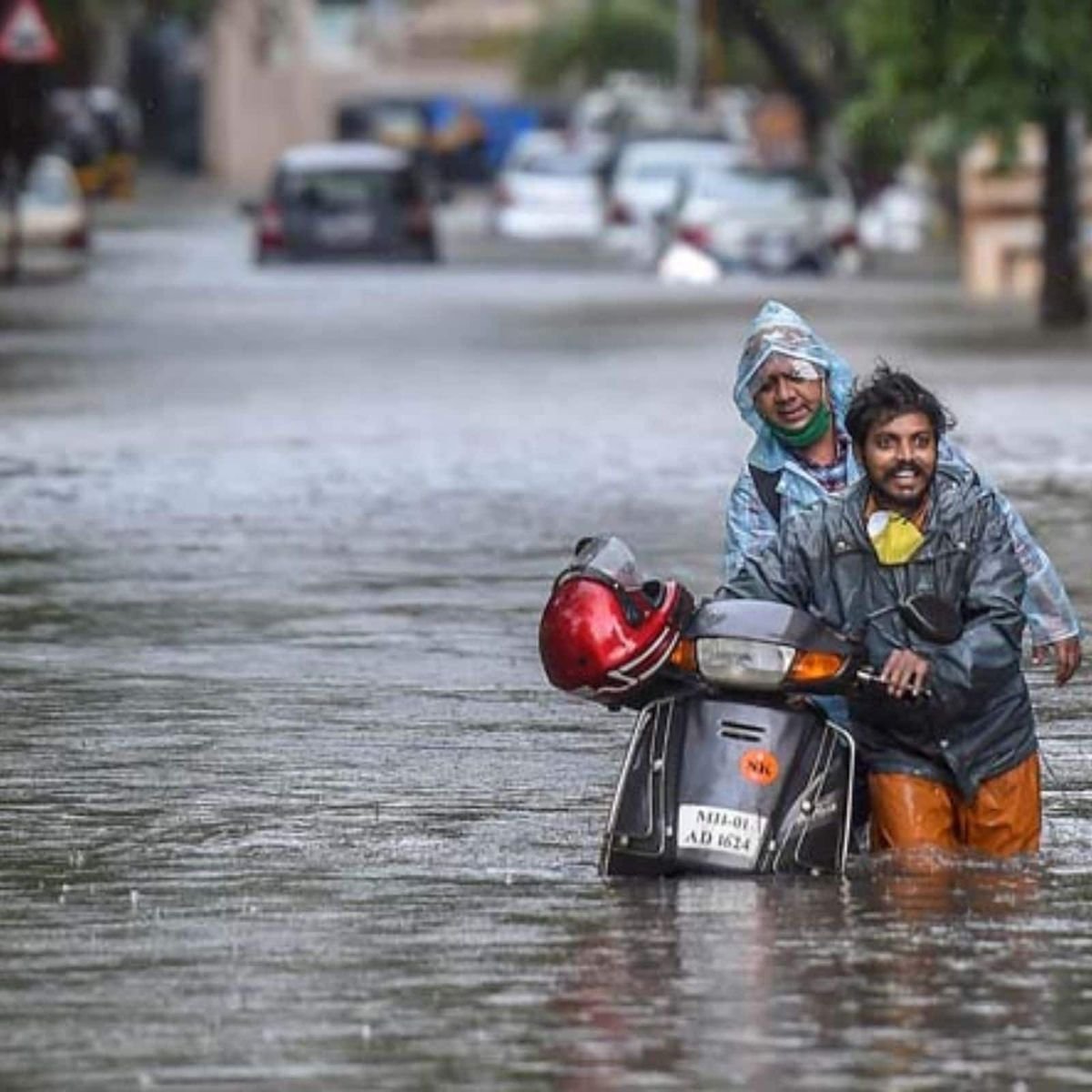
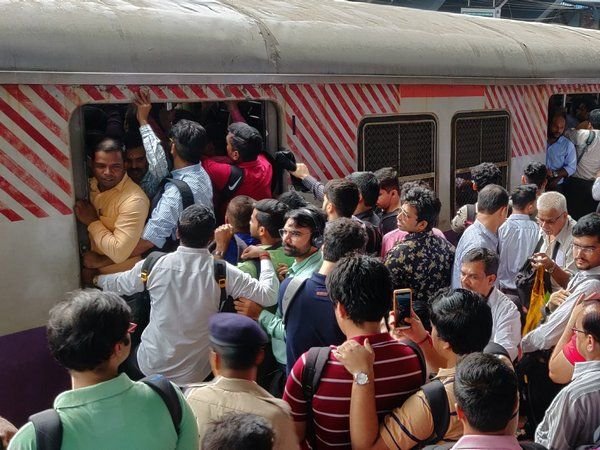
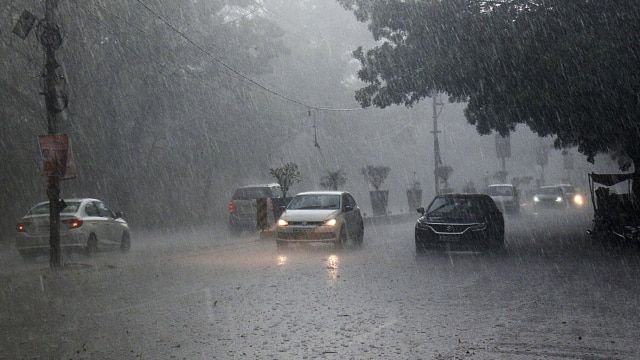
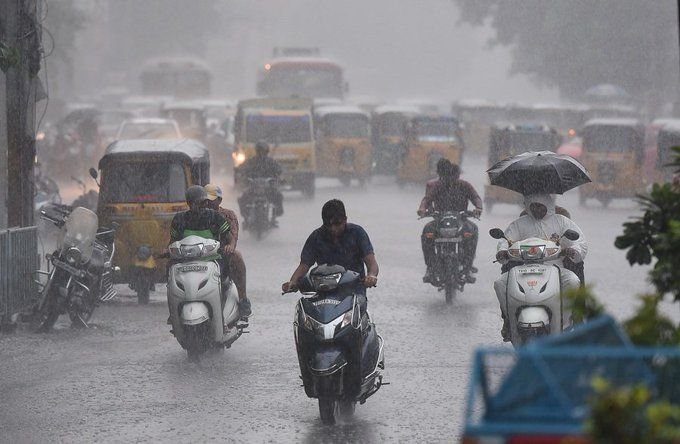
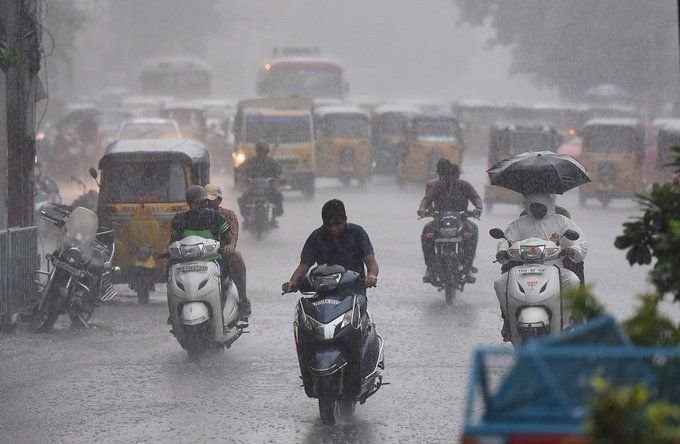
How is the climate in Mumbai today? Mumbai is experiencing hot and humid weather on Wednesday, 21 October 2026. The latest available observation from the India Meteorological Department (IMD) reports a temperature of approximately 33°C, with smoke or haze-like conditions. Forecast information indicates that temperatures could reach around 36°C during the day and fall to approximately 27°C at night.
Rain is not the main concern in the latest city forecast, although weather conditions can change. Residents should also pay attention to air quality, humidity and strong sunshine when planning outdoor activities.
Mumbai Weather Today: Key Details
Here is a summary of the latest available weather information for Mumbai.
Date: Wednesday, 21 October 2026
Latest reported temperature: Approximately 33°C
Expected daytime high: Around 36°C
Expected nighttime low: Around 27°C
Weather conditions: Hot, humid and hazy
Rain: No significant rainfall indicated in the latest city forecast reviewed
Main concerns: Heat, humidity, sunshine and possible air pollution
Weather observations and forecasts may differ depending on the station and time of the update. For the latest official information, visit the India Meteorological Department website.
Is Mumbai Hot Today?
Yes, Mumbai is expected to experience warm to hot conditions today. Daytime temperatures could reach approximately 36°C, making outdoor activities uncomfortable during the hottest hours.
The combination of high temperatures and humidity can make the weather feel hotter than the thermometer reading. People who spend long periods outdoors should take precautions against heat exhaustion and dehydration.
To stay comfortable, residents can:
Drink water regularly throughout the day.
Wear lightweight, breathable clothing.
Limit strenuous outdoor activities during the hottest hours.
Take breaks in shaded or air-conditioned places.
Avoid leaving children or pets inside parked vehicles.
What Is the Humidity Level in Mumbai Today?
Humidity is an important part of Mumbai’s climate because the city is located along the Arabian Sea.
When humidity is high, sweat evaporates more slowly from the skin. This reduces the body’s ability to cool itself and can make a warm day feel particularly uncomfortable.
The exact humidity level changes throughout the day. Residents should check the latest hourly forecast for current readings rather than relying on a single measurement.
Will It Rain in Mumbai Today?
The latest available city forecast does not indicate significant rainfall as the main weather feature for Mumbai today. The forecast instead points towards warm conditions and generally clear or hazy weather.
However, this does not guarantee that every part of the Mumbai metropolitan area will remain dry. Local weather conditions can change, and nearby districts may have different forecasts.
For the latest rain predictions and official warnings, check the IMD weather portal.
Is There a Rain Alert in Mumbai Today?
The weather information reviewed for this article does not establish that a significant rain alert is in force for Mumbai on 21 October 2026.
Nevertheless, residents should check the latest IMD district-wise warnings before making decisions based on the absence of an alert. Official warning levels can change when new weather systems develop.
Air quality is another important consideration for Mumbai residents.
The latest available reports show differing air-quality readings, so it is not possible to give one definitive city-wide air quality index (AQI) from the sources reviewed. Smoke or haze-like conditions may affect visibility, but haze alone does not establish the level of air pollution.
Residents concerned about pollution should check current AQI readings for their neighbourhood. People with asthma or other respiratory conditions should follow medical advice and reduce prolonged outdoor exertion if pollution levels are elevated.
Warm conditions may make travelling during peak daytime hours uncomfortable. Carry drinking water and allow time for breaks if you are walking or waiting outdoors.
Office workers
People working outdoors or travelling between locations should take precautions against heat and dehydration. Those working indoors can improve comfort by maintaining ventilation or using air conditioning where available.
Students
Children travelling to school or participating in outdoor sports should stay hydrated and avoid excessive exertion during the hottest part of the day.
Outdoor workers
Construction workers, delivery workers, street vendors and other outdoor workers may face greater heat exposure. Regular rest breaks, shade and access to drinking water are important.
Mumbai Weather Forecast for the Next Few Days
The latest forecast information available suggests that Mumbai will continue to experience warm weather over the coming days.
Date
Expected conditions
Wednesday, 21 October
Hot, with a forecast high near 36°C
Thursday, 22 October
Warm to hot; forecast high near 36°C
Friday, 23 October
Warm, with a forecast high near 35°C
Saturday, 24 October
Warm, with a forecast high near 35°C
These are forecast estimates rather than confirmed observations. Check the latest official forecast before relying on these temperatures for travel or event planning.
Safety Tips for Mumbai’s Weather Today
Residents can take a few simple steps to stay comfortable and safe:
Drink water frequently, especially when outdoors.
Wear light clothing and use sun protection.
Avoid strenuous activity during the hottest part of the day.
Check local air-quality readings if you notice smoke or haze.
Follow official weather warnings if rain or thunderstorms develop.
Check updated forecasts before travelling outside Mumbai.
Where Can You Check Mumbai’s Latest Weather?
For current weather observations, rainfall forecasts and official warnings, use these resources:
These sources can help you check changing temperatures, weather warnings and air-quality information.
Conclusion
How is the climate in Mumbai today? Mumbai is experiencing hot and humid conditions on 21 October 2026, with the latest available IMD observation reporting around 33°C. Forecast information suggests a daytime high near 36°C and a nighttime low around 27°C.
The latest city forecast does not identify significant rain as the main concern. Instead, residents should pay attention to heat, humidity, sunshine and possible air pollution. As conditions can change during the day, check the latest official weather and air-quality updates before making outdoor plans.
This article reflects information available on 21 October 2026. Temperatures, rainfall forecasts and air-quality readings may change as new observations become available.
WordPress SEO Details
SEO Title: Mumbai Weather Today: Temperature, Rain Forecast and Climate Update
Focus Keyword: Mumbai weather today
URL Slug:mumbai-weather-today
Meta Description: Check Mumbai weather today, 21 October 2026, including temperature, humidity, rain forecast, air quality, heat precautions and the latest IMD updates.
Is there a rain alert in Mumbai today? Mumbai is currently experiencing clear weather, and the latest available forecast indicates a low chance of rainfall. However, residents should check the latest India Meteorological Department (IMD) bulletin to confirm whether any new district-level warning has been issued.
Mumbai’s weather can change quickly, particularly when moisture, changing winds or local weather systems affect the Konkan coast. A low chance of rain does not necessarily mean that rain is impossible, and a weather forecast should not be confused with an official warning.
This article covers the latest available weather information for Mumbai, possible rainfall, precautions and where to find official updates.
Mumbai Weather Today: 21 October 2026
The latest available weather information reports clear conditions in Mumbai, with a temperature of approximately 30°C at the time of observation.
Here is a summary of the available forecast:
Date: Wednesday, 21 October 2026.
Current conditions: Clear skies.
Temperature at the latest observation: Approximately 30°C.
Rain probability in the previous forecast: Low.
Official rain alert: Check the latest IMD district-wise warning for confirmation.
Advice for residents: Monitor official updates if travelling or planning outdoor activities.
The earlier forecast for Tuesday, 20 October, indicated only a small chance of rain during the day and night. That forecast does not guarantee the weather for the entire day on 21 October.
Is Mumbai Under a Yellow, Orange or Red Rain Alert?
Weather warnings are commonly communicated using colour-coded categories. Their precise meanings and thresholds depend on the warning issued by the IMD.
Green: No warning or no significant weather concern indicated.
Yellow: Be aware of potentially adverse weather.
Orange: Be prepared for more serious weather conditions and follow official advice.
Red: Take action in response to a potentially severe weather event.
The latest weather information reviewed for this article does not establish that Mumbai is under an orange or red rain alert today. However, the current colour-coded status must be confirmed using the latest official IMD bulletin before a definitive statement is made.
Residents should not assume that a rain alert exists simply because showers are forecast in other parts of Maharashtra.
Will It Rain in Mumbai Today?
The latest available observation indicates clear skies and a low probability of rainfall in the previous forecast. This suggests that significant rainfall is not currently indicated by that information.
Nevertheless, rainfall forecasts can change during the day. Localised showers may develop even when the overall chance of rain is low.
People planning to travel, attend outdoor events or work outside should check the latest forecast before leaving home.
Why Can Mumbai Experience Rain in October?
Mumbai’s weather in October can be influenced by several factors.
1. Post-monsoon weather conditions
October is a transition period after the southwest monsoon. Although the monsoon may have withdrawn, local weather systems can still produce showers.
2. Moisture from the Arabian Sea
Mumbai lies along the Arabian Sea. Moisture-bearing winds can contribute to cloud formation when atmospheric conditions are favourable.
3. Changing wind patterns
Changes in wind direction and atmospheric pressure can influence cloud development and the movement of rain-bearing weather systems.
4. Local thunderstorms
Warm and humid conditions can sometimes contribute to localised thunderstorms. These may affect one part of the Mumbai metropolitan area without bringing rain to the entire city.
These are general explanations of October weather in Mumbai; they do not establish that any one factor is causing rainfall today.
Will There Be Heavy Rain in Mumbai?
The latest available forecast does not indicate a high probability of rainfall in Mumbai. However, it is not sufficient to rule out every possibility of a shower or a later change in conditions.
Residents should distinguish between three different situations:
A forecast that rain is possible.
An official warning for expected adverse weather.
An observation confirming that rain is actually occurring.
These are not the same. For the most reliable update, check the latest IMD warning and nowcast for Mumbai and the surrounding district.
How Will the Weather Affect Mumbai Residents?
If the weather remains clear, normal commuting and outdoor activities are less likely to be disrupted by rain. However, residents should continue to monitor local conditions.
Commuters should check transport updates if adverse weather develops. People organising outdoor events should review the forecast close to the event time, while residents travelling outside Mumbai should check the weather for their destination as well.
A forecast for Mumbai city may differ from conditions in neighbouring areas such as Thane, Palghar and Raigad.
Safety Tips for Residents
Even when the chance of rain is low, the following precautions can help:
Check the latest weather forecast before travelling.
Follow official warnings if thunderstorms or heavy rainfall are forecast.
Avoid flooded roads and underpasses if rain develops.
Be cautious around exposed areas during lightning.
Follow local authority instructions if weather conditions deteriorate.
Where to Check the Official Mumbai Rain Alert
For accurate and updated information, use the following official resources:
These resources provide weather forecasts and warning information. Check the date shown on the bulletin because warning levels can change as new information becomes available.
Conclusion
Is there a rain alert in Mumbai today? The latest available weather data shows clear conditions and a low chance of rain. The information reviewed does not establish a significant rain alert for Mumbai, but residents should verify the latest official IMD warning before concluding that no alert is in force.
Weather conditions can change, and a forecast for Mumbai may differ from conditions in other parts of Maharashtra. For the most accurate information, check the current IMD district bulletin before making travel or outdoor plans.
This article reflects the latest available information reviewed for 21 October 2026. Weather forecasts and official alerts can change.
WordPress SEO Details
SEO Title: Is There a Rain Alert in Mumbai Today? Latest Update
Focus Keyword: Is there a rain alert in Mumbai today
URL Slug:rain-alert-in-mumbai-today
Meta Description: Is there a rain alert in Mumbai today, 21 October 2026? Read the latest weather update, rain forecast, warning information and official IMD links.
Rainfall in Maharashtra during October can occur even after the southwest monsoon has withdrawn. On Tuesday, 20 October 2026, some parts of the state are expected to experience isolated rain, thunderstorms, lightning and gusty winds, while other areas may remain mostly dry.
According to the India Meteorological Department (IMD), weather conditions are changing across western India. Moisture in the atmosphere, changing wind patterns and local atmospheric disturbances can combine to produce rain in selected districts.
However, rainfall is not expected everywhere in Maharashtra. The amount of rain and the timing of showers can differ between cities, towns and rural areas.
Why Is It Raining in Maharashtra Today?
There are several possible reasons for the current rainfall.
1. Moisture from the Arabian Sea
Maharashtra has a long coastline along the Arabian Sea. Winds carrying moisture from the sea can contribute to cloud formation and rainfall when atmospheric conditions are favourable.
The Konkan region, including coastal districts such as Raigad, Ratnagiri and Sindhudurg, can be affected by these moisture-bearing winds.
When moist air rises and cools, water vapour condenses into clouds. If the clouds develop sufficiently, they can produce rain or thunderstorms.
2. Changing Weather Systems After the Monsoon
The southwest monsoon officially withdrew from India on 15 October 2026. However, the withdrawal of the monsoon does not mean that all rainfall immediately stops.
October is a transition month in which wind patterns and atmospheric conditions change. Local weather systems can continue to generate rain even when the main monsoon circulation has withdrawn.
This is one reason Maharashtra can experience unexpected showers during October.
3. Low-Pressure Systems and Atmospheric Circulation
The IMD’s coastal weather bulletin for 20 October identified a well-marked low-pressure area over the southwest Arabian Sea, together with a cyclonic circulation over southern Rajasthan and nearby areas.
Low-pressure systems can encourage air to rise, helping clouds develop when sufficient moisture is present. Atmospheric circulations can also influence wind direction and the distribution of moisture.
However, the low-pressure area over the southwest Arabian Sea is forecast to move west-northwestwards towards the Somalia coast. It should not automatically be treated as the direct cause of every shower in Maharashtra. Local weather conditions and other atmospheric features also matter.
4. Thunderstorms and Local Atmospheric Instability
Some of the current forecasts indicate thunderstorms accompanied by lightning and gusty winds over parts of Konkan and Goa and central Maharashtra.
Thunderstorms develop when warm, moist air rises rapidly through the atmosphere. If the air remains unstable, clouds can grow vertically and produce showers, lightning and strong winds.
These storms are often localised. One town may receive heavy rain while another nearby location remains dry.
5. The Influence of the Western Ghats
The Western Ghats influence rainfall distribution across western Maharashtra.
Moist air moving towards elevated terrain can be forced upwards, which may help clouds form. Areas around the ghats can therefore experience different weather from nearby lowland cities.
This effect depends on the prevailing wind direction, moisture levels and the wider atmospheric setup. It does not mean that all areas around the Western Ghats will receive rain today.
Which Areas of Maharashtra May Receive Rain?
The IMD forecast for 20 October indicates a possibility of isolated rain and thunderstorms in selected areas.
Konkan region
Parts of Konkan, including Raigad, Ratnagiri and Sindhudurg, may experience localised showers. Coastal weather can change quickly, so residents should check the latest district-level forecast.
Central Maharashtra
Parts of central Maharashtra may experience thunderstorms, lightning and gusty winds. Areas around the Western Ghats may have different conditions from the cities and towns further inland.
Pune and Kolhapur
Rain or thundershowers are possible in selected areas around Pune and Kolhapur. Conditions in the surrounding districts and hills may differ from those in the cities themselves.
Mumbai
Mumbai is expected to remain mainly clear, with some haze, according to the latest city forecast. Rainfall elsewhere in Maharashtra does not necessarily mean Mumbai will receive rain.
Marathwada and other inland districts
Weather conditions are expected to vary across inland Maharashtra. Residents should consult the district-specific IMD forecast rather than assuming that rain will occur throughout the region.
Is Maharashtra Experiencing Heavy Rain or Light Rain?
The current forecast points to isolated rain and thunderstorms in selected locations, rather than continuous heavy rainfall throughout the state.
Some places may receive brief showers, while others may experience thunderstorms with lightning and gusty winds. The exact rainfall intensity depends on the development and movement of individual storm cells.
A forecast mentioning possible thunderstorms should not be interpreted as confirmation that heavy rain is occurring everywhere.
The forecast indicates that isolated rain or thunderstorms may continue in parts of Konkan and central Maharashtra between 20 and 23 October.
This does not mean rainfall will continue without interruption. Some districts may receive showers on one day and remain dry on another.
Weather forecasts can change as atmospheric conditions develop. Residents should check the latest official updates each day, particularly if they are planning travel or outdoor activities.
How Will the Rain Affect Farmers?
October rainfall can have both benefits and disadvantages for agriculture.
Possible benefits include:
Additional soil moisture in areas that receive useful rainfall.
Reduced irrigation requirements for some crops.
Support for agricultural activities that benefit from moderate moisture.
Possible problems include:
Delays in harvesting or drying crops.
Damage to exposed produce from unexpected showers.
Increased difficulty carrying out some farm operations.
Risks from lightning and strong winds during outdoor work.
Farmers should follow local agricultural advisories and check the rainfall forecast for their district before making decisions about harvesting, irrigation or spraying.
Safety Precautions During Rain and Thunderstorms
Residents should take sensible precautions when thunderstorms are forecast.
Stay indoors when lightning is occurring.
Avoid standing under isolated trees or near exposed metal structures.
Do not attempt to cross flooded roads or fast-flowing water.
Secure loose objects if strong winds are expected.
Check weather warnings before travelling through hilly areas.
Follow instructions issued by local authorities if conditions become dangerous.
Where Can You Check Official Rain Updates?
For reliable and current information, use these resources:
These sources provide forecasts and warnings that can help residents understand the conditions expected in their area.
Frequently Asked Questions
Why is it raining in Maharashtra after the monsoon?
The withdrawal of the southwest monsoon does not immediately end all rainfall. Moisture, changing winds, low-pressure systems and local atmospheric instability can still produce showers and thunderstorms in October.
Will it rain across the whole state?
No. Rainfall is expected to be localised in selected areas. Some districts may receive showers, while others remain dry.
Is the rain dangerous?
Ordinary showers are not necessarily dangerous, but thunderstorms can bring lightning and gusty winds. Follow official warnings and avoid exposed areas during lightning.
When will the rain stop?
The timing varies by district. Forecasts indicate that isolated showers may remain possible in some areas through 23 October, but conditions can change.
Conclusion
Rain in Maharashtra on 20 October 2026 is linked to changing post-monsoon weather conditions, atmospheric moisture and local systems that can trigger showers and thunderstorms. The Western Ghats and coastal geography can also influence where rain develops.
The IMD has forecast isolated rain and thundershowers along parts of the Maharashtra coast, with thunderstorms and gusty winds possible in selected areas of central Maharashtra. However, rainfall is not expected to affect every district equally.
Residents, farmers and travellers should check the latest district-level forecast before making plans. For safety, follow official weather warnings rather than relying on unverified social media reports.
This article reflects weather information available on 20 October 2026. Forecasts may change as new observations become available.
WordPress SEO Details
SEO Title: Why Is It Raining in Maharashtra Today? Full Weather Details
Focus Keyword: Why is it raining in Maharashtra
URL Slug:why-is-it-raining-in-maharashtra
Meta Description: Find out why it is raining in Maharashtra today, 20 October 2026. Read about weather systems, affected districts, thunderstorms, safety tips and the latest IMD forecast.
Category: Weather News
Tags: Maharashtra Rain, Maharashtra Weather Today, Why Is It Raining, IMD Weather Update, Maharashtra Rain Forecast, October Rainfall, Pune Weather, Mumbai Weather
Is Maharashtra on high alert today? On Tuesday, 20 October 2026, some parts of Maharashtra are facing weather-related concerns due to the possibility of rain, thunderstorms, lightning and gusty winds. However, the available reports do not establish that the entire state is under a general emergency or statewide security high alert.
The current concern is mainly related to local weather conditions. The India Meteorological Department (IMD) has forecast isolated rain and thunderstorms in selected districts, while some other areas are expected to remain mostly dry.
Residents should understand the difference between a weather alert and a general security alert before sharing information online.
Maharashtra High Alert Today: Key Details
Here is a summary of the latest available information:
Date: Tuesday, 20 October 2026.
Main concern: Localised rain, thunderstorms and lightning in selected districts.
Areas to monitor: Parts of Konkan, central Maharashtra and Marathwada.
Mumbai: Mainly clear skies are expected, although conditions can change.
Official updates: Residents should check district-level warnings issued by the IMD.
Statewide emergency: No general statewide emergency has been confirmed by the sources reviewed for this report.
According to recent reporting, some districts may experience light to moderate rainfall and isolated thunderstorms. These forecasts do not mean every part of Maharashtra is under a high-level warning.
Which Districts in Maharashtra Should Be Alert Today?
1. Pune
Pune and parts of the surrounding district may experience rain or thundershowers. Conditions in the Western Ghats can differ from those in Pune city.
Residents should monitor weather updates, especially when planning journeys through hilly areas or scheduling outdoor activities.
2. Kolhapur
Kolhapur and the surrounding ghats are among the areas where isolated rain and thunderstorms are possible. Lightning and sudden gusts of wind may create risks for people working outdoors.
Residents should follow local advisories and avoid exposed locations during thunderstorms.
3. Sindhudurg
Parts of Sindhudurg may experience localised showers or thunderstorms. Coastal weather conditions can change quickly, so residents and travellers should check the latest district forecast.
4. Raigad and Ratnagiri
Rain or thunderstorms may occur in selected areas of Raigad and Ratnagiri. The forecast does not guarantee rainfall throughout either district.
People travelling through coastal areas should remain alert to changing weather and follow any instructions issued by local authorities.
5. Chhatrapati Sambhajinagar
The IMD forecast for Chhatrapati Sambhajinagar, formerly known as Aurangabad, indicates partly cloudy skies with one or two spells of rain or thundershowers possible. The city forecast listed no specific warning for 20 October.
This demonstrates why it is important to check the forecast for an individual city rather than assuming that every district has the same alert status.
6. Solapur and Beed
Rain or thundershowers are possible in some areas of Solapur and Beed. Residents should monitor local updates, particularly if they have agricultural work or long-distance travel planned.
Is Mumbai on High Alert Today?
Mumbai is expected to experience mainly clear skies, with haze during the morning. Recent weather reporting indicates that the city is not facing the same rain forecast as some districts in the Konkan region and Western Ghats.
However, a city weather forecast is not the same as a police or security announcement. Anyone seeking information about a security alert, transport disruption or public-safety emergency should consult official notices from the relevant authorities.
Is Maharashtra Under a Security High Alert?
A weather warning should not be confused with a security high alert.
A weather alert is issued when conditions such as thunderstorms, lightning, heavy rainfall or strong winds may affect public safety.
A security alert relates to possible threats to public safety, law enforcement concerns or other security developments.
The weather reports reviewed for this article discuss localised rain and thunderstorms. They do not, by themselves, confirm a statewide security high alert. Readers should avoid sharing unverified social media messages claiming that the whole state is under emergency restrictions.
What Should Residents Do Today?
Residents in districts where thunderstorms are forecast should take the following precautions:
Check the latest IMD forecast for their district before travelling.
Avoid standing under isolated trees during lightning.
Stay away from flooded roads and fast-flowing water.
Secure loose outdoor items if strong winds are expected.
Follow official instructions if local authorities issue a warning.
Verify claims about emergency restrictions through government or police announcements.
Keep an eye on updates if travelling through hilly or coastal areas.
Farmers should also check local agricultural advisories before harvesting, drying crops or spraying chemicals.
Where Can You Check Official Maharashtra Alerts?
For reliable information, use the following official resources:
These resources can help readers check the latest district warnings and distinguish official weather information from unverified reports.
Maharashtra Alert Update for 21 October 2026
Rain and thundershowers may remain possible in selected districts on Wednesday, 21 October. Forecasts have highlighted areas around the Konkan region, Kolhapur’s ghats and parts of Maharashtra’s interior.
The forecast may change as new weather observations become available. Residents should check the official district-wise warning for the relevant date instead of relying on an earlier report.
Conclusion
Is Maharashtra on high alert today? Some areas of Maharashtra face weather-related concerns because of possible rain, thunderstorms and lightning on 20 October 2026. However, the available reports do not confirm a general emergency or statewide security high alert.
Residents should check official district warnings, take sensible precautions during thunderstorms and verify any claims about security restrictions through government announcements. The alert status can vary from one district to another.
This article reflects information available on 20 October 2026. Weather forecasts and official alerts can change. Check the latest government updates before making decisions.
WordPress SEO Details
SEO Title: Is Maharashtra on High Alert Today? Latest Update 20 October 2026
Focus Keyword: Is Maharashtra on high alert today
URL Slug:maharashtra-high-alert-today
Meta Description: Is Maharashtra on high alert today, 20 October 2026? Read the latest district-wise weather warnings, rain updates, safety advice and official sources.
Is there rain in Maharashtra today? Yes, rain is possible in some parts of Maharashtra on Tuesday, 20 October 2026, but the weather is not the same across the entire state. Some districts may experience light to moderate rainfall and thunderstorms, while other areas are expected to remain mostly dry.
According to recent weather reports based on the India Meteorological Department (IMD) forecast, isolated showers and thunderstorms are possible in parts of the Konkan region, central Maharashtra and Marathwada. Residents should check their local district forecast before making travel plans.
Maharashtra Weather Today: 20 October 2026
Maharashtra is experiencing different weather conditions across its cities and districts. While some areas are expected to have hazy sunshine or partly cloudy skies, localised rain remains possible in areas covered by weather alerts.
The weather forecast for today includes:
Weather conditions: Sunshine, hazy skies and localised cloud cover.
Rainfall: Possible in selected districts.
Thunderstorms: Possible in areas under local weather alerts.
Temperature: Hot daytime conditions in several cities.
Travel advice: Check the latest district forecast before travelling, especially in areas where thunderstorms are expected.
Which Parts of Maharashtra May Receive Rain Today?
1. Mumbai Weather Today
Mumbai is expected to experience mainly clear skies with some haze, particularly during the morning. Although the city may remain mostly dry, weather conditions can change, and residents should check the latest local forecast before heading out.
People travelling around Mumbai should remain aware of changing temperatures and local weather advisories.
2. Pune Weather Today
Pune and its surrounding areas may experience changing cloud conditions, with rain or thundershowers possible in some locations. The forecast for the wider Pune district can differ from conditions in Pune city itself, particularly in the surrounding hills and ghats.
Residents planning outdoor activities, farming work or long-distance travel should check the latest updates from the IMD.
3. Kolhapur Weather Today
Kolhapur and parts of the surrounding Western Ghats are among the areas where localised rainfall and thunderstorms are possible.
Thunderstorms can sometimes bring lightning and gusty winds. Residents should take precautions when travelling through hilly areas or working outdoors.
4. Sindhudurg Weather Today
Parts of Sindhudurg may experience isolated showers or thunderstorms. Weather conditions can vary between coastal areas and inland locations, so residents should not assume that the entire district will receive rain.
People travelling along coastal roads should check weather updates before departure.
5. Raigad and Ratnagiri Weather Today
Raigad and Ratnagiri may experience localised showers depending on the movement of rain-bearing clouds. However, rainfall is not guaranteed across every town or village in these districts.
Residents should follow local weather advisories and take care during thunderstorms.
6. Chhatrapati Sambhajinagar Weather Today
Chhatrapati Sambhajinagar, formerly known as Aurangabad, is forecast to experience partly cloudy conditions, with one or two spells of rain or thundershowers possible.
The IMD’s city forecast lists a maximum temperature of around 36°C and no specific warning for the city on 20 October. Its observed rainfall report recorded no rainfall during the preceding 24-hour observation period, illustrating that a forecast chance of rain does not mean rain has already occurred.
7. Solapur and Beed Weather Today
Some areas of Solapur and Beed may experience rain or thundershowers. Conditions can differ between individual towns and rural locations.
Farmers and residents involved in outdoor work should check local weather updates before scheduling activities that may be affected by rainfall.
Will It Rain in Maharashtra Tonight?
Rain remains possible in selected areas tonight, particularly where localised thunderstorms are forecast. However, some cities may remain clear or mostly dry.
The likelihood of rain depends on the specific district, local cloud development and the latest weather observations. A state-wide forecast cannot confirm whether it will rain at a particular address.
Rain or thundershowers may continue in some districts on Wednesday, 21 October. Forecasts have indicated possible showers in parts of the Konkan region, the Western Ghats and selected areas of central Maharashtra and Marathwada.
Other locations are expected to experience mainly clear or partly cloudy skies. Because weather predictions can change, residents should check the latest official forecast on the day they plan to travel.
How Will the Weather Affect Farmers in Maharashtra?
Rainfall can be important for farmers, particularly those monitoring soil moisture, harvesting crops or preparing fields for the next agricultural season.
However, unexpected showers and thunderstorms can also disrupt agricultural work. Farmers should consider the following precautions:
Check local rainfall forecasts before harvesting or drying crops.
Protect harvested produce from unexpected showers.
Avoid spraying agricultural chemicals when rain or strong winds are expected.
Follow local agricultural advisories when planning irrigation.
Keep an eye on lightning warnings during outdoor farm work.
Farmers should rely on district-specific forecasts rather than assuming that a rainfall prediction for one part of Maharashtra applies to the entire state.
Safety Tips During Rain and Thunderstorms
If your area experiences rain or thunderstorms today, follow these precautions:
Carry an umbrella or raincoat when travelling.
Avoid standing under isolated trees during lightning.
Stay away from flooded roads and fast-flowing water.
Secure loose outdoor objects when gusty winds are forecast.
Check official weather alerts before travelling through hilly areas.
Follow local emergency instructions if severe weather develops.
For city-specific observations, the IMD also provides local weather reports through its city weather service.
Remember that a forecast of possible rain is not confirmation that rainfall has occurred. Actual conditions can vary from one neighbourhood to another.
Conclusion
Is there rain in Maharashtra today? Rain is possible in selected parts of Maharashtra on 20 October 2026, especially in areas where localised showers and thunderstorms have been forecast. Mumbai is expected to remain mainly clear, while some other districts may experience changing cloud cover and a chance of rain.
Residents, farmers and travellers should check the latest district-level weather forecast before making plans. For the most accurate information, follow official IMD updates because weather conditions and warnings can change throughout the day.
This article reflects weather information available on 20 October 2026. Forecasts may change as new observations become available.
WordPress SEO Details
SEO Title: Is There Rain in Maharashtra Today? Weather Update 20 October 2026
Focus Keyword: Is there rain in Maharashtra today
URL Slug:rain-in-maharashtra-today
Meta Description: Is there rain in Maharashtra today, 20 October 2026? Read the latest forecast for Mumbai, Pune, Kolhapur, Sindhudurg and other districts.
Nigeria has several government empowerment programmes in 2026 designed to help young people, women, farmers, small-business owners and unemployed Nigerians improve their livelihoods. These initiatives provide different forms of support, including grants, microloans, business training, vocational skills, agricultural inputs and employment opportunities.
Some programmes are accepting applications, while others operate through selected beneficiary groups or periodic registration windows. Therefore, applicants should check the official programme website before submitting their details.
This article explains the major empowerment programmes Nigerians can investigate in October 2026, their benefits, eligibility requirements and application procedures.
1. SMEDAN Zero to 100 Pitch Competition 2026
The Small and Medium Enterprises Development Agency of Nigeria (SMEDAN) is organising a Zero to 100 Pitch competition as part of its National MSME Conference 2026.
Application deadline: 22 October 2026 at 5:00 p.m.
The competition offers a share of a ₦30 million grant pool to selected entrepreneurs, with advertised prizes of ₦15 million for first place, ₦10 million for second place and ₦5 million for third place.
Who can apply?
The opportunity is relevant to entrepreneurs with business ideas or existing businesses who can present a compelling pitch and meet the competition’s eligibility conditions.
Applicants should check the official guidelines for any requirements relating to business ownership, registration, sector and eligibility.
How to apply
Visit the official SMEDAN pitch application page.
Read the application instructions.
Prepare a pitch deck explaining your business, customers, market opportunity and growth strategy.
Prepare the required 1.5–2-minute pitch video for Instagram.
Ensure you have a SMEDAN ID, registering through the official portal if necessary.
This is a competitive grant opportunity, not a guaranteed payment to every applicant. Since the deadline is close, check the portal immediately.
2. Government Enterprise and Empowerment Programme (GEEP)
The Government Enterprise and Empowerment Programme is a social investment initiative under the National Social Investment Programme Agency (NSIPA). It is designed to improve access to small-scale financing for eligible traders, market women, artisans and farmers.
GEEP includes three main initiatives.
MarketMoni
MarketMoni is designed to provide working-capital microloans to eligible market women, traders and members of recognised trade associations.
It may help eligible beneficiaries purchase stock, replenish inventory and maintain their businesses.
TraderMoni
TraderMoni focuses on petty traders, small vendors, artisans and microbusiness operators who need small amounts of capital to support their businesses.
FarmerMoni
FarmerMoni is intended to support eligible smallholder farmers through agricultural financing and related support.
The official GEEP website describes financing options, including agricultural input credit and equipment-related support for eligible farmers.
Who may qualify?
Depending on the scheme, applicants may need to be active traders, members of eligible associations, smallholder farmers or owners of qualifying microbusinesses.
How to apply
Visit the official GEEP portal:
https://geep.nsipa.gov.ng
Check the registration instructions and locate the designated enrolment centre for your local government area. Confirm whether your chosen scheme is accepting new applicants.
Important: GEEP support is structured as microcredit rather than an unconditional cash grant. Confirm the applicable terms and repayment obligations before enrolling. NSIPA states that its programme registration is free.
3. Nigerian Youth Academy (NiYA)
The Nigerian Youth Academy is a youth-focused initiative of the Federal Ministry of Youth Development. It aims to help young Nigerians gain skills, find work and develop businesses.
Its wider ecosystem includes learning resources, employment opportunities, digital gigs, entrepreneurship support and founder-development initiatives.
What support does NiYA offer?
Depending on the specific programme, participants may gain access to:
Practical courses and skills development.
Employment information and opportunities.
Digital work and freelance assignments.
Mentorship and entrepreneurship support.
Startup development and pitch programmes.
Selected funding opportunities for eligible entrepreneurs.
Who can benefit?
Young Nigerians interested in improving their employability, developing digital skills or building a business should explore the available learning and enterprise programmes.
How to apply
Visit the official Ministry of Youth Development page:
Choose the programme that matches your goals and read its eligibility conditions.
Note: Individual NiYA programmes have different application periods. Do not assume that a previously announced startup grant or founder programme is currently accepting applications.
4. Renewed Hope Employment Initiative (RHEI), Phase III
The National Directorate of Employment (NDE) implements employment and skills-development programmes intended to help unemployed Nigerians acquire practical skills and improve their prospects of earning an income.
The Renewed Hope Employment Initiative Phase III was announced in 2026 with a target of training approximately 26,961 participants across the states and the Federal Capital Territory.
The initiative covers vocational and employment-related programme areas, including rural employment promotion, small-scale enterprises, special public works and vocational skills development.
What are the benefits?
Depending on the selected programme, participants may receive:
Vocational or technical training.
Practical skills for self-employment.
Enterprise-development support.
Opportunities to improve employability.
Starter packs or work tools for eligible beneficiaries under applicable arrangements.
Who can apply?
The programme is intended for eligible Nigerians seeking skills development and employment support. Specific requirements depend on the chosen training category and location.
Application status
The NDE registration portal currently displays a notice that applications for RHEI Phase III are closed. Therefore, it should not be treated as an open application opportunity today.
Applicants can monitor the official portal for future registration announcements.
5. National Agricultural Growth Scheme and Agro-Pocket (NAGS-AP)
The National Agricultural Growth Scheme and Agro-Pocket is a Federal Ministry of Agriculture and Food Security initiative designed to improve smallholder farmers’ access to subsidised agricultural inputs.
The programme supports verified farmers through a digital registration and input-redemption system.
What does it provide?
Eligible farmers may access subsidised inputs such as:
Improved seeds.
Fertilisers.
Approved agrochemicals.
Other eligible inputs offered through participating outlets.
The programme aims to reduce input costs, improve crop productivity and strengthen food production.
Who can apply?
Smallholder farmers who meet the programme’s identity, farming and crop requirements may be eligible.
Follow the farmer registration instructions, provide the required information and wait for verification. Approved farmers can follow the platform’s instructions for receiving and redeeming their input subsidies.
This is an agricultural input-support programme, not a general cash grant. Check the portal for current registration availability and eligible locations.
6. SMEDAN business-development programmes
Beyond the Zero to 100 Pitch competition, SMEDAN offers programmes designed to improve the capacity of micro, small and medium-sized enterprises.
Its programme portfolio includes initiatives for business clusters, women entrepreneurs, agricultural businesses, enterprise development and business skills.
Examples of programmes
Cluster Development Support: Designed to support businesses operating in clusters through shared infrastructure, business-development services and market opportunities.
AWAKE: The Advancement for Women in Agriculture, Agro-allied and Cottage Enterprises programme supports women working in agriculture, processing and related businesses through skills development, networking and access-to-market support.
WISE-P: The Women in Self-employment Programme aims to support women entrepreneurs and aspiring business owners through training, mentorship and business-development resources.
Agri-business Development and Empowerment Programme: Focuses on strengthening agricultural entrepreneurship and related business activities.
Select the relevant initiative and check whether registration is currently available. Some programmes accept expressions of interest or operate through specific cohorts rather than continuously open grant applications.
7. Three Million Technical Talent (3MTT) Programme
The Three Million Technical Talent programme is a Federal Government digital-skills initiative coordinated by the National Information Technology Development Agency (NITDA).
Its objective is to develop technical talent and strengthen Nigeria’s digital economy.
What can participants learn?
Depending on the available learning track, training may cover areas such as:
Software development.
Data analysis.
Cybersecurity.
Cloud computing.
User experience and interface design.
Other technology-related skills.
Who can benefit?
Nigerians who want to enter the technology sector, improve their digital skills or prepare for technical employment may find the programme relevant.
How to apply
Visit https://3mtt.nitda.gov.ng/ and check for the latest application announcements, available training tracks and cohort dates.
Training and cohort availability may change. Do not assume that every course or location is accepting new participants at the same time.
8. Technical and Vocational Education and Training (TVET)
The Federal Government’s TVET initiative is intended to equip Nigerians with practical and vocational skills that can support employment and self-employment.
Depending on the programme and training provider, participants may learn skills in areas such as:
Electrical installation.
Welding and fabrication.
Plumbing.
Solar installation.
Fashion and garment production.
Automotive repairs.
Other technical trades.
Who can apply?
Eligible Nigerians interested in acquiring practical skills should review the programme’s age, education, training-centre and residency requirements.
How to register
Visit the official portal:
https://tvet.education.gov.ng
Check the current registration status, available trades, training locations and any stipend conditions.
Only rely on stipend amounts and benefits stated in the current official guidelines.
9. National Youth Development Bank
The National Youth Development Bank is intended to improve young entrepreneurs’ access to capital and support youth-owned businesses.
Potential areas of interest include small-business development, enterprise expansion and entrepreneurship financing.
Who should investigate it?
Young Nigerians who have a business idea or an existing enterprise and need funding should review the programme’s eligibility and financing conditions.
How to apply
Visit the reported official website:
https://nydb.gov.ng
Check whether a current application window is available and confirm the requirements before sharing sensitive personal or financial information.
Applicants should verify whether any support offered is a grant, loan, investment or another type of financing.
10. National Poverty Reduction with Growth Strategy skills and empowerment initiative
In September 2026, the Federal Government announced plans to use skills acquisition and empowerment programmes under the National Poverty Reduction with Growth Strategy to help five million young Nigerians improve their livelihoods.
The programme’s implementation was reported to have reached Oyo State, with training planned to extend to other states and geopolitical zones.
What support is envisaged?
The initiative focuses on technical, vocational and entrepreneurial education designed to help participants acquire practical skills, improve their employability and establish income-generating activities.
Who can benefit?
Young people and other eligible participants in locations where training is implemented may benefit.
How to find registration opportunities
Check announcements from the State House, the Office of the Senior Special Assistant to the President on Technical, Vocational and Entrepreneurship Education, and relevant state authorities.
The national target does not mean that a single nationwide cash-grant application is open to every Nigerian.
Documents you may need
Requirements vary by programme, but applicants should prepare the following where relevant:
A valid means of identification.
National Identification Number (NIN), where required.
Bank Verification Number (BVN), where required.
Contact information and proof of residence, if requested.
Business details or a business plan for enterprise programmes.
Evidence of membership in an eligible association, where applicable.
Educational or training records for skills programmes.
Farm information for agricultural initiatives.
Only submit documents through the official portal or authorised programme administrator.
How to avoid empowerment programme scams
Before applying for any government empowerment scheme:
Confirm the programme on the responsible agency’s official website.
Check the current application deadline.
Read the eligibility requirements.
Verify whether the support is a grant, loan, subsidy or training opportunity.
Avoid paying unofficial agents who promise guaranteed selection.
Never share your bank PIN, password or one-time verification code.
Keep your application confirmation and reference number.
A programme being genuine does not mean every applicant will qualify or receive funding.
Conclusion
Several government empowerment initiatives in Nigeria are relevant in 2026. They include SMEDAN’s Zero to 100 Pitch competition, GEEP, NiYA, the Renewed Hope Employment Initiative, NAGS-AP, SMEDAN business-development programmes, 3MTT, TVET and youth-focused skills initiatives.
For applicants looking for immediate opportunities, the SMEDAN Zero to 100 Pitch competition has a reported deadline of 22 October 2026. Farmers can check NAGS-AP, while traders and small business owners can investigate GEEP. People seeking vocational or digital training should monitor the TVET and 3MTT portals.
Always confirm the latest registration status on the official website before applying, because deadlines and eligibility requirements vary between programmes.
The Nigerian government is implementing several agricultural programmes in 2026 to improve food production, support smallholder farmers, reduce farming costs, expand access to agricultural finance and create jobs for young people.
These initiatives include the Renewed Hope Farm Input Support Programme, National Agricultural Growth Scheme and Agro-Pocket, National Agricultural Development Fund programmes, agricultural mechanisation initiatives and financing through the Bank of Agriculture.
Some programmes provide fertiliser and other farm inputs, while others offer training, equipment access, loans or business support. Farmers should confirm the eligibility requirements and current registration status before applying.
1. Renewed Hope Farm Input Support Programme (FISP)
The Renewed Hope Farm Input Support Programme is a Federal Government initiative implemented through the National Agricultural Development Fund (NADF). It aims to help smallholder farmers obtain agricultural inputs and reduce the cost of production.
In June 2026, the government announced the distribution of 515,720 bags of urea and NPK fertiliser to 128,930 smallholder farmers across 25 states and the Federal Capital Territory.
What support does the programme provide?
Eligible beneficiaries may receive fertiliser or other approved farm inputs through designated distribution arrangements. The programme is intended to improve crop yields, reduce production costs and strengthen food security.
Who can benefit?
Smallholder crop farmers.
Farmers in participating states and designated distribution areas.
Eligible farmers growing food crops.
Farmers selected through the programme’s verification process.
How can farmers participate?
Farmers should contact the National Agricultural Development Fund, their state Ministry of Agriculture or a recognised farmer association to ask whether another distribution round is available.
Important: The June 2026 announcement confirms the distribution programme, but it does not establish that new applications are open nationwide in October 2026.
2. National Agricultural Growth Scheme and Agro-Pocket (NAGS-AP)
The National Agricultural Growth Scheme and Agro-Pocket is designed to support smallholder farmers producing priority food crops. The initiative aims to improve access to agricultural inputs and increase domestic food production.
According to the Federal Ministry of Agriculture and Food Security, the programme has supported farmers across four farming seasons, contributing to the production of staple foods.
Main objectives
Increase agricultural productivity.
Improve farmers’ access to quality inputs.
Support food-security crops.
Strengthen agricultural value chains.
Reduce barriers to smallholder farming.
Who should enquire?
Farmers growing eligible crops, particularly smallholders interested in participating in a government-supported production programme, should contact their state agricultural authorities or the Federal Ministry of Agriculture and Food Security.
How to check registration
Visit https://agriculture.gov.ng/ and look for NAGS-AP announcements, participating states and approved registration channels.
Registration requirements and application periods may differ between farming seasons.
3. NADF AgGrow Farm Support Programme
The National Agricultural Development Fund operates the AgGrow Farm Support Programme to improve smallholder farming and connect farmers with agricultural processors.
The programme has an announced value of ₦19.5 billion and aims to support 50,000 smallholder farmers. Its model includes a 50% subsidy on selected inputs, including improved seeds, fertilisers and crop-protection products.
Priority crops include maize, rice, cassava and soybeans.
Who can apply?
Potential participants include eligible smallholder farmers cultivating the programme’s priority crops and farmers participating in approved outgrower arrangements.
How does the programme work?
Participating farmers can receive eligible inputs through approved arrangements. The programme also aims to connect farmers with processors, helping to improve market access and reduce dependence on intermediaries.
Before registering, confirm whether new beneficiaries are being accepted in your state, which crops qualify and whether you must participate through an approved farmer group or processor.
4. National Agricultural Development Programme (NADP-1) Lending Programme
The NADF’s National Agricultural Development Programme, known as NADP-1, is designed to improve farmers’ access to finance, agricultural inputs and market connections.
The initial pilot was launched in June 2025 as a ₦1.5 billion on-lending facility. It initially targeted maize farmers in Kaduna State through a partnership involving Flour Mills of Nigeria and NOVA Merchant Bank.
What does it offer?
The programme is designed to help eligible farmers obtain agricultural financing and strengthen their links with input suppliers and buyers.
Potential beneficiaries may include smallholder farmers, cooperatives and participants in approved agricultural value chains.
Is it a free grant?
No. NADP-1 is an on-lending facility, which means financing is generally repayable under agreed terms.
How to enquire
Contact NADF or an approved participating financial institution to ask whether the facility has expanded to your state and whether a new application window is available.
The Federal Government is expanding agricultural mechanisation to help farmers reduce dependence on manual labour, improve efficiency and cultivate larger areas of land.
In 2026, the government announced the commissioning of a mechanisation programme involving 2,000 tractors and implements. It has also outlined a wider national agricultural mechanisation policy.
What support is available?
Depending on the implementation arrangements, farmers may benefit from improved access to tractors, implements and mechanisation services.
Potential benefits include:
Faster land preparation.
Reduced labour requirements.
Improved farm productivity.
Better access to equipment for larger farming operations.
Opportunities for agricultural service businesses.
Who may benefit?
Smallholder farmers, commercial farmers, agricultural cooperatives and eligible mechanisation service providers may be relevant beneficiaries.
Ask your state Ministry of Agriculture whether tractor services, equipment schemes or approved service providers are available in your area.
The announcement of a national mechanisation programme does not mean every farmer can immediately receive a free tractor.
6. Bank of Agriculture agricultural financing
The Bank of Agriculture (BOA) provides financing services for farmers and agribusinesses. Depending on the available facility, financing may support crop production, livestock, fisheries, agricultural processing and other eligible activities.
In October 2026, BOA announced a partnership with the All-Farmers Association of Nigeria to expand dry-season financing, with a target of 400,000 farmers.
Who may qualify?
Smallholder farmers.
Commercial crop farmers.
Livestock and poultry businesses.
Eligible agricultural cooperatives.
Agricultural processing and related businesses.
How to apply
Visit the official BOA website.
Check the latest financing announcements.
Contact the bank or an authorised participating farmer organisation.
Confirm the interest rate, repayment terms, eligibility conditions and documentation requirements.
Note: Bank financing is not the same as a free government grant. Applicants should understand their repayment obligations before accepting an offer.
7. AgSkills Agricultural Training Programme
NADF’s AgSkills programme is intended to develop agricultural skills among young people and improve employment opportunities in agriculture.
Ekiti State was selected as an inaugural beneficiary of the programme in 2025. The initiative aims to train and equip 1,000 young people annually, with starter packs intended to help graduates establish agricultural ventures.
What can participants gain?
Agricultural skills and practical training.
Knowledge of modern farming methods.
Support in developing agricultural businesses.
Starter packs, subject to programme conditions.
Opportunities to pursue agricultural employment or entrepreneurship.
Who should apply?
Young Nigerians interested in farming, agricultural processing and other agribusiness activities should check for training opportunities in participating states.
How to enquire
Visit https://nadf.gov.ng/ and contact NADF or the Ekiti State Ministry of Agriculture to ask about the next intake.
The programme’s announced targets do not guarantee that applications are currently open.
8. NADF All-Season Irrigation Initiative
NADF has worked with partners on an all-season irrigation demonstration farm at Sabke Dam in Katsina State.
The project was designed to demonstrate the commercial potential of year-round farming using existing irrigation infrastructure.
Priority crops include maize, sorghum, cowpea and soybeans.
Benefits of irrigation programmes
Extend farming beyond the rainy season.
Reduce dependence on rainfall.
Support dry-season production.
Improve opportunities for multiple cropping cycles.
Provide practical training in irrigated agriculture.
How can farmers participate?
Farmers in Katsina and nearby areas should contact NADF, the state agricultural authorities or relevant irrigation project partners to ask whether training, demonstration activities or farmer participation opportunities are available.
This is a project-based initiative, not a confirmed nationwide cash-grant application.
9. World Bank-Supported AGROW Project
Nigeria’s Sustainable Agricultural Value-Chains for Growth project, supported by a US$500 million World Bank IDA credit, was approved in March 2026.
The project aims to improve smallholder productivity, strengthen agricultural markets and create jobs across selected agricultural value chains.
Priority value chains include rice, maize, cassava and soybeans.
What support is envisaged?
The project includes a proposed results-based matching-grant facility for eligible agribusinesses that work with smallholder farmers. Potential activities include produce aggregation, storage, post-harvest handling and processing.
Who may qualify?
Potential participants may include eligible agricultural processors, aggregators and businesses investing in agricultural market infrastructure.
A matching grant generally requires a contribution from the recipient and compliance with specific programme rules.
Monitor the responsible Nigerian implementing agencies for application guidelines and calls for proposals.
The project’s approval does not automatically mean a public application portal is open.
10. National Soil Health and Fertility Programme
The Federal Government is advancing soil mapping and soil-health initiatives to improve the way farmers manage soil nutrients and fertiliser application.
In October 2026, the Ministry of Agriculture reported that soil mapping had commenced under the National Soil Health and Fertility Programme.
What is the objective?
The initiative aims to improve understanding of soil conditions and support more appropriate fertiliser use. Better soil information can help farmers make decisions about crop suitability, soil fertility and productivity.
Who can benefit?
Farmers, agricultural extension workers, researchers and other participants in crop production may benefit from improved soil information and advisory services.
How to access information
Visit https://agriculture.gov.ng/ and contact your state agricultural extension service to ask whether soil testing, farmer training or soil-health advisory services are available in your area.
This is a technical and agricultural development initiative rather than a general cash-grant scheme.
11. Special Agro-Industrial Processing Zones (SAPZs)
The Special Agro-Industrial Processing Zones initiative aims to develop agricultural processing and related infrastructure in selected locations.
The broader objective is to connect farmers with processors, improve agricultural value addition, reduce post-harvest losses and create employment opportunities.
Potential benefits
Better links between farmers and processors.
Opportunities to supply agricultural produce to processing businesses.
Development of storage and logistics infrastructure.
Support for agricultural value chains.
Employment and agribusiness opportunities.
Who should enquire?
Farmers, cooperatives, processors, investors and agricultural businesses operating in participating locations should monitor official programme announcements.
Visit https://agriculture.gov.ng/ for information about participating states, project developments and relevant opportunities.
SAPZ participation is not automatically a personal grant. Any financing or beneficiary scheme has its own eligibility requirements.
Documents farmers may need
Requirements differ between programmes, but applicants should prepare the following where relevant:
A valid means of identification.
Farm location and size.
Details of crops, livestock or agricultural activities.
Evidence of farming or agribusiness ownership.
Cooperative membership documents, where required.
A business plan and budget for financing or competitive grants.
Bank account information submitted through an authorised channel.
Any additional documents specified by the implementing agency.
Do not assume that all programmes require every document on this list.
How to find current agricultural programme registration
Farmers should follow these steps before applying:
Step 1: Identify whether you need free farm inputs, training, equipment access, a grant or a loan.
Step 2: Visit the responsible agency’s official website.
Step 3: Confirm that the programme is operating in your state and that new applicants are being accepted.
Step 4: Read the eligibility conditions and prepare the required documents.
Step 5: Submit through the official portal or authorised implementing partner.
Step 6: Keep your application reference and verify any payment request directly with the agency.
Beware of fake government agricultural programmes
Farmers should be cautious about websites and social media posts promising instant grants or free tractors.
A genuine government initiative may be restricted to selected states, crops, cooperatives or verified beneficiaries. Some programmes provide loans or subsidised inputs rather than cash.
Never disclose your banking PIN, password or one-time verification code to an alleged grant agent. Confirm registration fees and beneficiary contributions directly with the responsible agency before making payments.
Conclusion
Nigeria’s government agricultural programmes in 2026 cover farm-input support, agricultural finance, mechanisation, youth training, irrigation, soil health and agribusiness development.
The major initiatives to investigate include the Renewed Hope Farm Input Support Programme, NAGS-AP, NADF AgGrow, NADP-1, the Bank of Agriculture’s financing facilities, AgSkills, the mechanisation programme and the World Bank-supported AGROW project.
However, a programme’s existence does not guarantee that applications are currently open. Farmers should verify the latest intake, eligible locations and conditions through official channels before applying.
Agriculture remains an important sector in Nigeria, providing employment and supporting food production across the country. In 2026, farmers, young entrepreneurs and agribusiness owners can investigate several government and development-partner programmes designed to support agricultural production, farm inputs, business expansion and access to finance.
However, not every agricultural support programme is a free grant. Some provide subsidised fertiliser and seeds, while others offer loans or competitive business funding. Applicants should confirm whether applications are currently open before submitting their details.
1. Leventis Foundation Agribusiness Access to Capital Programme
The Leventis Foundation Nigeria Agribusiness Access to Capital Programme is designed to help eligible agricultural entrepreneurs access funding to start or expand their businesses.
A funding notice published in 2026 reported an application deadline of 21 October 2026 and potential funding of up to ₦5 million. Eligibility is restricted to current and former Leventis Foundation trainees, and applicants must confirm whether the support is a grant or a concessionary loan.
Who can apply?
Current or former Leventis Foundation trainees.
Entrepreneurs operating agricultural businesses.
Eligible applicants seeking to expand farming, processing or other agribusiness activities.
Applicants who can provide the required business information and supporting documents.
Important: The reported deadline is 21 October 2026. Applicants should verify that the portal is still accepting applications before applying.
2. Bank of Agriculture Farmer Financing Programme
The Bank of Agriculture (BOA) provides financing options for farmers and agricultural businesses in Nigeria. In October 2026, the bank announced a partnership with the All-Farmers Association of Nigeria to expand access to dry-season financing, targeting 400,000 farmers.
The initiative is intended to help eligible farmers access resources for agricultural production. However, this is a financing programme rather than a confirmed free cash grant.
Who can benefit?
Smallholder farmers.
Crop farmers preparing for dry-season cultivation.
Farmers who need capital for inputs and production.
Eligible agricultural cooperatives and participating farmer groups.
How to apply
Visit https://boanig.com/ or contact the Bank of Agriculture and the All-Farmers Association of Nigeria to ask about the current registration process.
Before applying, confirm the financing terms, repayment period, eligibility criteria and any required contribution.
3. NADF AgGrow Farm Support Programme
The National Agricultural Development Fund (NADF) operates agricultural support initiatives intended to help farmers improve production and reduce input costs.
The AgGrow Farm Support Programme focuses on crops including maize, rice, cassava and soybeans. Its announced model includes a 50% subsidy on selected farm inputs, such as improved seeds, fertilisers and crop-protection products, through approved arrangements.
Who can apply?
Potential beneficiaries include eligible smallholder farmers producing the programme’s priority crops and participating in approved arrangements with processors or other programme partners.
How to apply
Visit the official NADF website at https://nadf.gov.ng/ and check the programmes and initiatives section.
Ask whether a new application window is open in your state, which crops are eligible and whether you must register through a cooperative or approved partner.
The existence of the programme does not mean applications are open nationwide today.
4. Federal Government Farm Input Support Programme
The Federal Government has provided fertiliser and other agricultural inputs to selected smallholder farmers through targeted support initiatives.
The objective is to reduce production costs, improve crop yields and strengthen food security. Depending on the specific distribution round, assistance may involve fertiliser or other approved farm inputs rather than cash.
Who may qualify?
Smallholder crop farmers.
Farmers growing eligible food-security crops.
Members of recognised agricultural cooperatives, where required.
Farmers located in participating states or designated distribution areas.
How to access the programme
Contact your state Ministry of Agriculture, NADF or your recognised farmer association. Ask whether a new distribution round is planned and how eligible farmers can register.
Nigeria’s Sustainable Agricultural Value-Chains for Growth project, supported by a US$500 million World Bank IDA credit, was approved in March 2026.
The project aims to improve smallholder productivity, strengthen agricultural markets and create jobs in value chains such as rice, maize, cassava and soybeans.
A component of the project is designed to support eligible agribusinesses through a results-based matching-grant facility. Potential activities may include produce aggregation, storage, post-harvest handling and processing.
Who may benefit?
Agricultural processing companies.
Produce aggregators.
Businesses supporting smallholder farmers.
Eligible enterprises investing in storage and market access.
Agribusinesses meeting the programme’s matching-grant requirements.
Applicants should monitor the relevant Nigerian implementing agencies for an official call for proposals. Project approval does not automatically mean that a public application portal is open.
6. Lagos Agrithon 2026
Lagos State announced Lagos Agrithon 2026, a competitive initiative supporting innovative businesses in the food and agricultural sector. The announced programme allocation was ₦200 million.
It was designed to encourage entrepreneurs developing solutions in farming, food processing, distribution, agricultural technology and other parts of the food value chain.
However, the published application period ran from 19 June to 19 July 2026. That deadline has passed as of October 2026.
The documents required depend on the programme. Applicants may need:
A valid means of identification.
Evidence of farming activity or agribusiness ownership.
Farm location, size and production details.
A business plan and proposed budget.
Bank account details submitted through the authorised process.
Cooperative membership or business registration, where applicable.
Evidence of relevant training for programmes with specific eligibility requirements.
Always follow the official application guidelines rather than assuming every programme requires the same documents.
How to Apply for Agricultural Grants in Nigeria
First, identify the type of assistance you need. A smallholder farmer seeking fertiliser may be better suited to an input subsidy, while an established processing company may qualify for a matching-grant programme.
Next, visit the official website of the agency responsible for the opportunity. Confirm the application deadline, eligibility criteria, required documents and whether the support is a grant or a loan.
Prepare your farm records and budget before submitting an application. Keep your confirmation details and avoid paying unofficial agents who promise guaranteed approval.
Beware of Fake Agricultural Grant Offers
Farmers should be cautious about social media posts advertising instant government grants. Some programmes are restricted to particular states, farmer groups or business categories, while others have already closed.
Never share your banking PIN, password or one-time verification code with anyone claiming to process a grant. Confirm application fees or beneficiary contributions directly with the responsible agency before making any payment.
Conclusion
Several agricultural support initiatives are relevant to farmers and agribusiness owners in Nigeria in 2026. These include the Leventis Foundation Agribusiness Access to Capital Programme, Bank of Agriculture financing, NADF AgGrow, targeted farm-input support and the World Bank-supported AGROW project.
However, programme announcements do not guarantee that applications are open at all times. The best approach is to verify the current application window and eligibility requirements through the official programme administrator before submitting personal information.
Farmers should select opportunities that match their location, farming activity and funding needs, while carefully distinguishing free grants from subsidised inputs and repayable loans.
Type of support: Subsidised agricultural inputs Announced programme value: ₦19.5 billion Target beneficiaries: 50,000 smallholder farmers Eligible crops: Maize, rice, cassava and soybeans
The National Agricultural Development Fund (NADF) operates the AgGrow Farm Support Programme to help smallholder farmers reduce production costs and improve farm output.
According to NADF, the programme provides a 50% subsidy on selected farm inputs, including improved seeds, fertilisers and crop protection products. It also connects farmers with processors through structured outgrower arrangements.
Who may qualify?
Potential beneficiaries include smallholder farmers growing the programme’s priority crops and participating in its approved outgrower arrangements.
Ask NADF whether AgGrow is accepting new farmers in your state and which approved farmer groups, processors or distribution partners are participating.
Confirm the registration process, farmer contribution and required documents before paying for any inputs.
Important: NADF describes the programme and its targets publicly, but I could not confirm a nationwide application window that is currently open to every farmer. Treat this as an opportunity to enquire about participation, not a guarantee of a new grant award.
2. Renewed Hope Farm Input Support Programme (FISP)
Type of support: Fertiliser and other farm-input assistance Target group: Selected smallholder farmers Coverage: Multiple states across Nigeria
The Federal Government, through NADF and the agricultural authorities, has been distributing farm inputs to eligible smallholder farmers under the Farm Input Support Programme.
In June 2026, NADF announced a nationwide intervention involving 515,720 bags of urea and NPK fertiliser for 128,930 smallholder farmers across 25 states and the Federal Capital Territory.
The programme aims to reduce farmers’ input costs, improve yields and strengthen food production.
Who should enquire?
Smallholder crop farmers
Farmers cultivating priority food-security crops
Farmers registered with recognised agricultural associations or cooperatives
Eligible farmers in states participating in a specific distribution round
How to access support
Contact the NADF or your state’s Ministry of Agriculture to ask whether another distribution round is planned for your location. Ask about beneficiary registration, the relevant crops, farm-size conditions and verification requirements.
The programme’s published distributions do not mean that applications are open nationwide at all times. Inputs are targeted and distributed through designated processes.
Type of support: Youth agribusiness development, access to land and related support Target group: Young Nigerians interested in agricultural enterprises
The Federal Ministry of Youth Development launched the Youth in Agribusiness Land Trust Fund in partnership with the International Institute of Tropical Agriculture (IITA) in June 2026.
The initiative is designed to help young entrepreneurs overcome barriers to agricultural land access. Its broader support model includes training, finance access, technology, mechanisation services, mentorship, business incubation and market connections.
At the launch, ten young farmers received grants of ₦1 million each to scale up their agricultural businesses.
Who may be interested?
Young Nigerians developing businesses in areas such as:
Crop production and commercial farming
Livestock and poultry
Beekeeping and other specialised agricultural enterprises
Food processing and agribusiness services
Agricultural technology and related value chains
How to apply
Visit the Federal Ministry of Youth Development’s official website and check for subsequent application announcements:
The June launch confirms that the initiative exists, but it does not establish that a fresh grant application window is open on 20 October 2026. Contact the ministry or its official programme partners for the next intake.
4. Lagos Agrithon 2026
Type of support: Competitive agribusiness grants Funding announced: ₦200 million programme allocation Location: Lagos State Target group: Entrepreneurs with innovative agribusiness ideas
Lagos State announced the third edition of Lagos Agrithon in June 2026. The programme was designed to support innovative businesses across the food and agriculture value chain.
Eligible business concepts could include food production, processing, distribution, agricultural technology and other solutions that address challenges in the food system.
How did the programme work?
Applicants were expected to undergo a competitive assessment involving application screening, business evaluation, pitching, due diligence and technical review. Selected ventures could receive funding and business-development support.
Is the application still open?
No. The published application period ran from 19 June to 19 July 2026. That deadline has passed.
Entrepreneurs in Lagos can monitor future editions through the programme website:
https://www.lagosagrinnovation.com/agrithon
This is a useful opportunity to watch for a future round, but it should not be presented as an open application today.
5. Nigeria Sustainable Agricultural Value-Chains for Growth (AGROW) Project
Type of support: Agricultural value-chain development, smallholder support and matching grants for eligible agribusinesses Funding: US$500 million World Bank IDA credit approved for the project Project period: 2026–2032
The World Bank approved a US$500 million credit for Nigeria’s Sustainable Agricultural Value-Chains for Growth project in March 2026.
The project aims to increase smallholder productivity, strengthen agricultural markets and create jobs. It focuses on value chains such as rice, maize, cassava and soybeans.
One component is a results-based matching-grant facility for agribusinesses that commit to sourcing from smallholder farmers. The facility is intended to support activities such as aggregation, post-harvest handling, processing and market access.
Who may benefit?
Potentially eligible participants may include agribusinesses that:
Aggregate produce from smallholder farmers
Invest in post-harvest handling and storage
Process agricultural products
Improve access to markets
Demonstrate a viable business model and measurable benefits to farmers
This is not a general cash grant for every individual farmer. A matching grant also typically requires the recipient to contribute resources under the programme’s terms.
How to follow application announcements
Read the World Bank’s official project announcement and monitor the relevant Nigerian implementing agencies for calls for proposals.
The project approval is confirmed, but a public application deadline and an open call for every prospective applicant have not been established here. Confirm the implementing agency, application guidelines and funding window before preparing a submission.
6. Renewed Hope Smallholder Support and Value Chain Fund
Type of support: Farm-input support, structured financing, advisory services and market access Target group: Smallholder farmers and eligible participants in agricultural value chains
The Federal Government announced the Renewed Hope Smallholder Support and Value Chain Fund as part of a wider initiative to support farmers from planting through harvest and marketing.
In July 2026, the government flagged off the distribution of more than 10 million bags of fertiliser and announced a Guaranteed Price Model targeting two million smallholder farmers nationwide.
The model is designed to link participating farmers with aggregation companies, provide farm inputs and support market access. It is therefore broader than a conventional grant scheme.
How can farmers enquire?
Farmers should contact the Bank of Agriculture, recognised farmer associations or the relevant state agricultural authorities to establish whether their location and production activity are included in an active programme.
Ask whether the support is a subsidy, a loan, a repayment-based arrangement or a produce-purchasing agreement. Do not assume that participation means receiving unrestricted cash.
7. Bank of Agriculture (BOA) agricultural financing
Type of support: Agricultural loans and financing, rather than a general free grant
The Bank of Agriculture provides financing mechanisms intended to support agricultural production and businesses. These can be relevant when a farmer needs capital for seeds, fertiliser, irrigation, livestock, equipment, storage or processing.
In October 2026, BOA announced a partnership with the All-Farmers Association of Nigeria (AFAN) to expand access to dry-season financing, targeting 400,000 farmers.
This is a financing initiative, not a blanket promise of free money. Applicants may be subject to credit assessment, eligibility conditions and repayment obligations.
Contact the bank or a recognised participating farmer association.
Ask about the current application window, interest rate, collateral requirements, repayment period and eligible farming activities.
Do not pay an unofficial agent who promises guaranteed approval.
8. NADF National Agricultural Development Programme (NADP-1)
NADF’s NADP-1 is an on-lending programme intended to improve access to agricultural finance, inputs and market connections. The initial pilot was announced as a ₦1.5 billion facility, initially targeting maize farmers in Kaduna State.
It is important to distinguish this facility from a grant: on-lending means financing that must generally be repaid under agreed terms.
NADF states that eligible applicants may include smallholder farmers, cooperatives, agribusinesses, processors, input suppliers, storage and logistics businesses and mechanisation service providers.
Interested applicants should approach an approved participating financial institution and confirm the current availability of the facility.
Confirm participating institutions and availability
General eligibility requirements
Requirements vary by programme. Depending on the opportunity, applicants may need:
Valid identification and contact details
Evidence of residence or business operations in the eligible state
Proof of farming activity or agribusiness ownership
Details of farm size, crops, livestock or production capacity
A bank account and any required business registration
Membership of a recognised cooperative or farmer association, where applicable
A business plan, budget or proposal for competitive grant programmes
Evidence of a matching contribution for a matching-grant scheme
Additional documentation requested by the programme administrator
Do not assume every programme requires all these documents. Use the official application guidelines for the specific scheme.
How to apply for an agricultural grant in Nigeria
Step 1: Identify the right opportunity. Decide whether you need free inputs, a cash grant, a business competition, a matching grant or a repayable loan.
Step 2: Check the official announcement. Confirm that the programme is genuine, the application window is open and your state and farming activity are eligible.
Step 3: Prepare your records. Gather identification, farm or business information, a production budget and any required registration documents.
Step 4: Prepare a practical proposal if required. Explain what you produce, the problem you are addressing, how funding will be used and what results you expect.
Step 5: Submit through the approved channel. Use the agency’s official website, verified portal, designated bank or authorised programme partner.
Step 6: Keep evidence of your submission. Save application numbers, confirmation messages and official correspondence.
Step 7: Verify any request for payment. Application fees and beneficiary contributions must be explicitly supported by official programme rules. Never pay an individual who promises guaranteed selection.
Beware of fake agricultural grant websites
Agricultural funding announcements attract scams. The Bank of Agriculture issued a public warning in February 2026 clarifying that applications for the Renewed Hope National Agricultural Mechanization Program and related opportunities had closed, despite misleading online claims.
Before applying:
Check the announcement on the responsible agency’s official website.
Verify the opening and closing dates.
Avoid unofficial WhatsApp or social media registration links.
Never share your banking PIN, password or one-time verification code.
Do not assume that a programme described as “government approved” is a free grant.
Confirm whether the money is a grant, subsidised input package, matching grant or loan.
Conclusion
Nigeria has several agricultural support initiatives in 2026, including NADF’s AgGrow input subsidy, targeted fertiliser distribution, youth agribusiness support, Lagos Agrithon, the World Bank-supported AGROW project and financing programmes through the Bank of Agriculture.
However, the existence of a programme does not mean applications are open today. The most reliable next step is to contact the official programme administrator and confirm the latest intake, location, eligibility criteria and funding conditions before submitting personal information.
For smallholder farmers, input subsidies and targeted distribution may be relevant. For young entrepreneurs, youth agribusiness programmes and competitive grants may be worth monitoring. For established agribusinesses investing in processing, aggregation or storage, matching-grant opportunities may be more suitable when a formal call opens.
The Gramin Dak Sevak (GDS) salary in Maharashtra in 2026 depends on the position, working-hours level and applicable allowances. India Post recruits GDS employees for rural and other postal operations under three main categories: Branch Postmaster (BPM), Assistant Branch Postmaster (ABPM) and Dak Sevak.
Unlike regular central government employees, GDS employees are paid through the Time Related Continuity Allowance (TRCA) system. The official 2026 recruitment notification specifies the applicable TRCA ranges and provides for an annual increase of 3%, subject to the rules. Dearness Allowance (DA) and certain other benefits may also apply.
1. Maharashtra GDS salary 2026: Overview
Post
Monthly TRCA range
Annual TRCA range
Branch Postmaster (BPM)
₹12,000–₹29,380
₹1,44,000–₹3,52,560
Assistant Branch Postmaster (ABPM)
₹10,000–₹24,470
₹1,20,000–₹2,93,640
Dak Sevak
₹10,000–₹24,470
₹1,20,000–₹2,93,640
These annual figures are calculated by multiplying the monthly TRCA amounts by 12. They are not guaranteed take-home salaries. DA, other eligible benefits and any applicable deductions affect the actual amount received.
The salary structure is the same national GDS structure for Maharashtra Postal Circle; it is not a separate Maharashtra state-government pay scale.
2. What is the salary of a GDS BPM in Maharashtra?
A Branch Postmaster manages the operations of a Branch Post Office and related India Post Payments Bank activities, as assigned by the department.
The BPM TRCA range is ₹12,000 to ₹29,380 per month.
The amount paid depends on the applicable working-hours level and the employee’s position in the TRCA structure. DA and eligible allowances may increase the total monthly payment.
Main responsibilities of a BPM
Managing the day-to-day operations of a Branch Post Office.
Supervising postal transactions and delivery-related activities.
Handling relevant India Post Payments Bank services.
Maintaining records and completing assigned departmental work.
Supporting postal services and business activities in the branch’s jurisdiction.
Important: BPMs are required to arrange suitable accommodation for the Branch Post Office at their own cost, according to the applicable conditions. Candidates should check the official notification before accepting a position.
3. What is the salary of an ABPM in Maharashtra?
An Assistant Branch Postmaster supports the BPM and helps with routine postal operations.
The ABPM TRCA range is ₹10,000 to ₹24,470 per month.
The actual payment depends on the applicable TRCA level, DA and other eligible benefits.
Main responsibilities of an ABPM
Selling stamps and postal stationery.
Handling mail conveyance and delivery.
Assisting with deposits, payments and other postal services.
Supporting India Post Payments Bank activities.
Performing other duties assigned by the department.
ABPM positions may be suitable for candidates interested in postal work who meet the recruitment notification’s eligibility requirements.
4. What is the salary of a Dak Sevak in Maharashtra?
A Dak Sevak also receives a TRCA ranging from ₹10,000 to ₹24,470 per month.
Dak Sevaks may work in departmental offices, Sub Post Offices, Head Post Offices or Railway Mail Service offices, depending on their engagement and assigned duties.
Main responsibilities of a Dak Sevak
Delivering mail and carrying out postal operations.
Handling mailbags and related sorting or dispatch work where assigned.
Supporting postal office operations.
Assisting with customer services and other assigned departmental duties.
The exact responsibilities depend on the office and the engagement terms.
5. Does a Maharashtra GDS employee receive Dearness Allowance?
Yes. GDS employees are eligible for Dearness Allowance (DA) on TRCA according to the applicable government rules.
DA is intended to help offset changes in the cost of living. The rate can change over time, so it is important to check the latest official order rather than assume that one percentage will remain applicable throughout 2026.
A simplified salary calculation is:
Monthly gross emoluments = TRCA + applicable DA + other eligible allowances or benefits paid in cash.
For example, if the applicable TRCA is ₹12,000 and the DA rate used for calculation is 60%, the DA component would be ₹7,200, giving ₹19,200 before other adjustments. This is an illustration only, not confirmation of the currently applicable DA rate.
Similarly, if TRCA is ₹10,000 and the applicable DA rate is 60%, the illustrative total would be ₹16,000 before other adjustments.
6. Annual increment for Maharashtra GDS employees
The official recruitment notification provides for a 3% annual increase in TRCA, subject to the conditions in the GDS Rules.
This means the TRCA can rise over time as an employee meets the applicable conditions. The increase is not the same as a promotion, and it does not mean that every employee immediately receives the maximum amount in the advertised range.
The actual increase and its effective date depend on the applicable rules and departmental instructions.
7. Other allowances and benefits
Apart from TRCA and DA, GDS employees may be eligible for certain allowances and social-security benefits under the applicable rules.
GDS Gratuity
Eligible employees may receive gratuity under the applicable GDS provisions, subject to the relevant conditions.
Service Discharge Benefit Scheme
GDS employees may be covered by the Service Discharge Benefit Scheme, which provides a benefit subject to the scheme’s rules and eligibility conditions.
Other applicable allowances
Certain additional allowances or benefits may apply depending on the employee’s circumstances and current departmental rules. Candidates should confirm the precise entitlements in the latest official notification and applicable orders.
GDS employment should not automatically be treated as equivalent to regular central government employment: the Department of Posts states that GDS service conditions and entitlements differ from those of regular central government employees.
8. How many hours does a GDS work per day?
Under the applicable GDS rules, the normal engagement is for a minimum of four hours and a maximum of five hours per day.
Working-hours levels and assigned duties can affect the relevant TRCA arrangement. Applicants should read the vacancy notification carefully to understand the conditions of the particular post.
GDS engagement also has specific service conditions, including the requirement for a GDS to have another source of income for adequate means of livelihood, as stated by India Post.
9. Is the GDS salary the same in every Maharashtra district?
The basic national TRCA ranges apply to GDS positions across Maharashtra. The advertised range does not change simply because a post is in Pune, Nagpur, Nashik, Kolhapur, Thane, Ratnagiri or another district.
However, the actual amount received can vary because of the applicable TRCA level, DA rate, eligible benefits and other circumstances.
When applying for a vacancy, check the division and post details on the official India Post GDS portal.
10. Is GDS a permanent central government job?
GDS engagement is governed by the Department of Posts’ Gramin Dak Sevaks (Conduct and Engagement) Rules, 2020, as revised from time to time. India Post explicitly states that GDS employees are not regular employees of the Department or Central Government and that their benefits are not at par with those of regular central government employees.
Therefore, applicants should carefully distinguish GDS engagement from regular postal employee recruitment.
11. How can you check the official GDS salary notification?
Use the official India Post websites to verify the current salary structure and engagement conditions.
Read the descriptive notification and relevant rules before making an application or accepting an offer. Avoid relying solely on unofficial salary calculators or social media posts.
Frequently Asked Questions
What is the starting salary of a GDS in Maharashtra?
The advertised TRCA range starts at ₹12,000 per month for BPM and ₹10,000 per month for ABPM and Dak Sevak. Applicable DA and other eligible benefits may increase the gross amount.
What is the maximum salary of a GDS BPM?
The published BPM TRCA range reaches ₹29,380 per month, or ₹3,52,560 per year before considering DA and other benefits.
What is the maximum salary of an ABPM or Dak Sevak?
The published TRCA range reaches ₹24,470 per month, or ₹2,93,640 per year before considering DA and other benefits.
Does GDS salary increase every year?
The notification provides for a 3% annual increase in TRCA, subject to applicable conditions.
Do GDS employees receive DA?
Yes. DA is payable on TRCA under the applicable rules, at the rate in force.
Is the GDS salary paid monthly?
TRCA is expressed as a monthly allowance. The payment an individual receives depends on the applicable salary and allowance rules.
Is GDS salary the same in Maharashtra and other states?
The basic national TRCA ranges apply across postal circles, including Maharashtra. The applicable benefits and individual circumstances determine the final payment.
Conclusion
The GDS salary in Maharashtra in 2026 depends primarily on the post and applicable TRCA level. BPM has a published TRCA range of ₹12,000–₹29,380 per month, while ABPM and Dak Sevak have a range of ₹10,000–₹24,470 per month. Eligible employees may also receive DA and other benefits, including GDS gratuity and the Service Discharge Benefit Scheme, subject to the rules.
Before applying, check the latest official India Post notification to confirm the salary structure, service conditions and benefits for the particular vacancy.